NDMA Sounds Alarm as Failed Short Rains Deepen Kenya’s Drought Crisis

Urban Shihemi
- Published: 09 December 2025



By Urban Shihemi, December 9, 2025
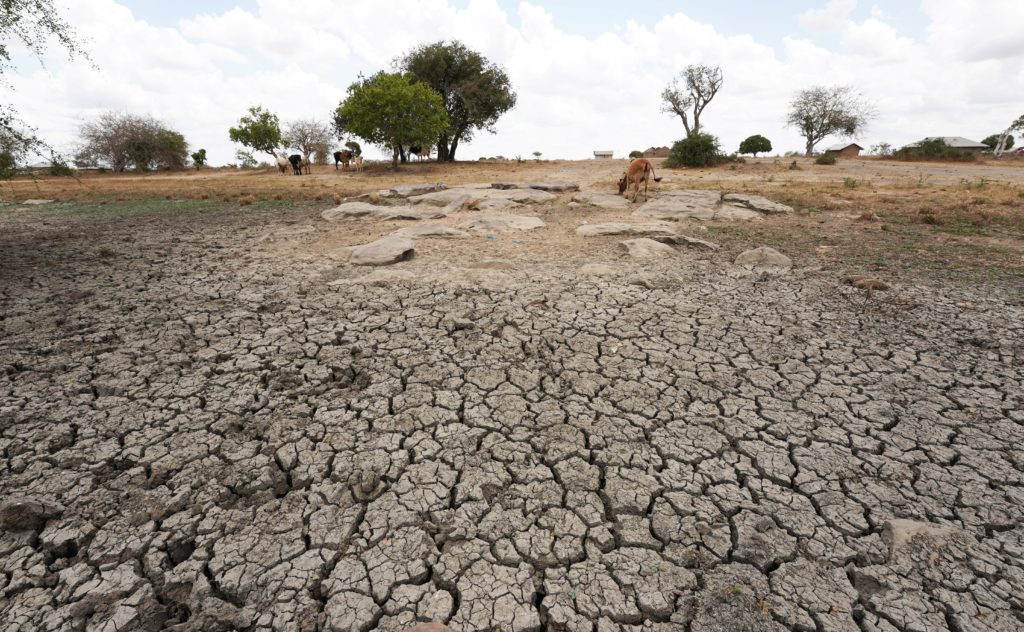
Kenya’s drought situation is deteriorating sharply following the poor performance of the October–December short rains, the National Drought Management Authority (NDMA) has warned in its latest assessment.
The agency reports that the prolonged dry spell is escalating vulnerabilities across the country, with 23 counties already experiencing varying levels of drought stress.
According to the NDMA, 13 counties remain in the ‘Normal’ drought phase, though with a troubling worsening trend, while nine counties have moved into the ‘Alert’ phase.
Mandera County is currently classified in the ‘Alarm’ phase, the highest level of concern, signalling urgent need for humanitarian and government intervention.
Counties still categorized as being in the ‘Normal’ drought phase include Samburu, Turkana, Taita Taveta, West Pokot, Tharaka Nithi, Embu, Nyeri, Laikipia, Narok, Baringo, Makueni, Meru, and Lamu.
Despite being in this category, the NDMA notes a consistent worsening trend, with major livelihood zones particularly pastoral and agro-pastoral communities feeling the strain.
Water sources are drying up earlier than expected, and grazing fields are diminishing rapidly, raising concerns about livestock health and rising household food insecurity.
“The current food insecure population across the ASAL counties is estimated at 1.8 million people and is projected to rise to approximately 2.14 million by January 20261 due to the anticipated below-average performance of the October to December short rains,” the report observes, warning that deteriorating pasture conditions may push these counties closer to the “Alert” phase if the dry spell persists.
The situation is more precarious in Wajir, Garissa, Kilifi, Kitui, Marsabit, Kwale, Kajiado, Isiolo and Tana River, which have been placed under the “Alert” drought phase.
NDMA notes that these counties now require close monitoring due to emerging drought conditions that threaten food security and access to water.
Households in these regions are reportedly travelling longer distances in search of water, while herders are migrating atypically in search of pasture, a sign of worsening environmental stress.
“The impacts of the failed short rains are becoming more visible in these counties,” the NDMA warns, noting that pressure on resources may create tensions among communities if not addressed promptly.
The most severe conditions have been reported in Mandera County, the only region classified in the ‘Alarm’ drought phase.
This designation signals crisis-level impacts, including rapidly depleting water sources, deteriorating livestock body conditions, heightened food insecurity, and increased cases of malnutrition, particularly among children and pregnant women.
While Kenya has faced recurrent drought over the years, the NDMA warns that the current situation is particularly concerning because it follows previous poor rainfall seasons, leaving little time for recovery.
As climate variability continues to affect rainfall patterns across the country, experts warn that failure to respond swiftly could undermine livelihoods, disrupt markets, and exacerbate malnutrition rates among vulnerable communities.
The State Department for the ASALs and Regional Development Ps Kello Harsama, today co-chaired a high-level drought & food security briefing with the PS for Special Programmes, Ismael Madey, following NDMA’s latest update showing Mandera has moved into the Alarm drought phase
Discussions focused on the current situation & outlook; priority interventions such as food assistance; improving access to water through borehole repairs & enhanced water trucking; strengthening peace & security amid increased livestock migration, and leveraging crop residues from high-potential areas for livestock feed.
<p><span style="color: rgb(0, 0, 0); background-color: transparent;">By Tego Wolasa, Absa Bank Kenya Head of Islamic Banking, March 18, 2026</span></p><p><span style="color: rgb(0, 0, 0); backgro...
<p><span style="color: rgb(0, 0, 0); background-color: transparent;">By Urban Shihemi, March 16, 2026 </span></p><p><span style="color: rgb(0, 0, 0); background-color: transparent;">Humanitarian...
<p><span style="color: rgb(0, 0, 0); background-color: transparent;">By Urban Shihemi, March 13, 2026</span></p><p><span style="color: rgb(0, 0, 0); background-color: transparent;">Activists and...
<p><span style="color: rgb(0, 0, 0); background-color: transparent;">By urban Shihemi, March 8, 2026 </span></p><p><span style="color: rgb(0, 0, 0); background-color: transparent;">Students from...
<p><span style="color: rgb(0, 0, 0); background-color: transparent;">Urban Shihemi, March 7, 2026 </span></p><p><span style="color: rgb(0, 0, 0); background-color: transparent;">The stage is set...
<p><span style="background-color: transparent; color: rgb(0, 0, 0);">By Urban Shihemi, March 7, 2026 </span></p><p><span style="background-color: transparent; color: rgb(0, 0, 0);">In a remarkable fea...
<p><span style="color: rgb(0, 0, 0); background-color: transparent;">By Urban Shihemi, March 5, 2026</span></p><p><span style="color: rgb(0, 0, 0); background-color: transparent;">Kenya is set to begi...
<p><span style="color: rgb(0, 0, 0); background-color: transparent;">By Urban Shihemi, February 26, 2026</span></p><p><span style="color: rgb(0, 0, 0); background-color: transparent;">The Intergovernm...
<p><span style="background-color: transparent;">By Urban Shihemi, February 26,2026</span></p><p><span style="background-color: transparent;">Jamia Mosque Nairobi has continued its long-standing tradit...
<p>By Urban Shihemi, February, 17,2026</p><p>Health Cabinet Secretary Aden Duale received a 30-ton consignment of humanitarian relief cargo from the United Arab Emirates (UAE) aimed at supporting comm...
<p>By Urban Shihemi, February,17,2026</p><p>The English Premier League will pause matches to allow Muslim players to break their fast during Ramadhan, according to British media reports.</p><p>The BBC...
<p><span style="background-color: rgb(255, 255, 255); color: rgb(33, 37, 41);">By Urban Shihemi , February 12, 2026</span></p><p><span style="background-color: rgb(255, 255, 255); color: rgb(33, 37, 4...
<p><span style="color: rgb(0, 0, 0); background-color: transparent;">By Urban Shihemi , February 11, 2026</span></p><p><span style="color: rgb(0, 0, 0); background-color: transparent;">President Willi...
<p><span style="color: rgb(0, 0, 0); background-color: transparent;">By Urban Shihemi , February 11, 2026</span></p><p><span style="color: rgb(0, 0, 0); background-color: transparent;">The Supreme Cou...
<p>By Urban Shihemi , February 10, 2026</p><p>The government has successfully rescued and repatriated 27 Kenyans who were stranded in the Russian Federation after they were illegally enlisted to fight...