Government Highlights Major Gains in Agriculture, Jobs, Housing, Health and Digital Economy

Mahmuud Ibrahim
- Published: 30 October 2025


 By Urban Shihemi, September 15, 2025
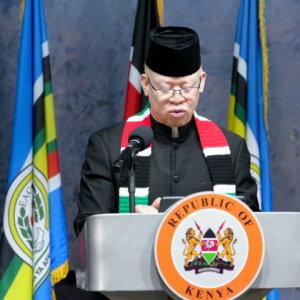
The Government has today outlined far-reaching progress across key sectors of the economy, citing gains in agriculture, jobs, housing, health care, technology, education, foreign affairs and tourism. The announcement was made by the Government Spokesperson Dr. Isaac Mwaura during a briefing at Harambee House Annex.
The government reported significant achievements under the Bottom-Up Economic Transformation Agenda (BETA). The price of unga (maize flour) has dropped by 34%, easing the cost of living for households. Over 7 million farmers are now registered in a digital database, while 21 million bags of fertilizer have been distributed countrywide. Coffee, tea and sugar farmers have seen their incomes surge by 52%, 40% and 76% respectively, with additional support extended to growers of edible oils, rice, nuts, cotton and pyrethrum.
The government noted that 2.25 million small businesses have been formalized, creating a more enabling environment for entrepreneurs. In addition, 31 Constituency Industrial Development Centres (CIDCs) have been upgraded, leading to the creation of over 9,000 jobs. Young people have benefited from incubation hubs, cold storage facilities and county trade fairs, which have expanded market access and promoted innovation.
Construction is underway for 161,911 housing units, a sharp rise from just 8,872 units in 2022. The initiative has generated more than 330,000 jobs in the construction and Jua Kali sectors. To further support artisans, KSh 4.4 billion has been set aside, and over 1,000 Jua Kali workers have been certified to supply building materials.
Access to healthcare has expanded, with 25.8 million Kenyans registered under the Social Health Authority (SHA), compared to 8 million in 2022. More than 100,000 community health promoters have been deployed nationwide, while over 350 hospitals have been built or upgraded. Additionally, 10,582 health facilities are now digitized, and new cancer centres and chronic illness screening programs are being rolled out.
The government highlighted the country’s rapid digital transformation. Locally assembled smartphones now total 3.5 million units, improving digital access. Nearly 300,000 digital jobs have been created through ICT training, while 834 Studio Mashinani projects are empowering creatives. Infrastructure has been boosted with 30,000 km of fibre optic cable, 1,578 public Wi-Fi hotspots and 404 digital hubs. The digitization of more than 21,000 government services on e-Citizen has significantly increased revenue collection, from KSh 60 million daily to between KSh 700 million and KSh 1 billion.
Enrollment in Technical and Vocational Education and Training (TVET) institutions has doubled from 340,713 in 2022 to 718,000 students. In the mining sector, three new laboratories have been set up to improve technical capacity, while more artisan mining cooperatives have been registered to support small-scale miners.
Kenya has signed more than 200 bilateral agreements, enhancing trade, investment and global partnerships. Diaspora remittances hit a record KSh 660 billion, reflecting the increased role of Kenyans abroad in economic development. High-level diplomatic engagements have further boosted Kenya’s global influence.
Tourism has made a strong comeback, with international arrivals reaching 2.42 million and sector earnings rising to KSh 462.21 billion. The government attributed this to renewed focus on tourism promotion and wildlife conservation, which continue to play a central role in job creation and GDP growth.
The Spokesperson emphasized that these achievements mark steady progress in transforming the economy, reducing the cost of living and expanding opportunities for all Kenyans.
By Urban Shihemi, September 15, 2025
The Government has today outlined far-reaching progress across key sectors of the economy, citing gains in agriculture, jobs, housing, health care, technology, education, foreign affairs and tourism. The announcement was made by the Government Spokesperson Dr. Isaac Mwaura during a briefing at Harambee House Annex.
The government reported significant achievements under the Bottom-Up Economic Transformation Agenda (BETA). The price of unga (maize flour) has dropped by 34%, easing the cost of living for households. Over 7 million farmers are now registered in a digital database, while 21 million bags of fertilizer have been distributed countrywide. Coffee, tea and sugar farmers have seen their incomes surge by 52%, 40% and 76% respectively, with additional support extended to growers of edible oils, rice, nuts, cotton and pyrethrum.
The government noted that 2.25 million small businesses have been formalized, creating a more enabling environment for entrepreneurs. In addition, 31 Constituency Industrial Development Centres (CIDCs) have been upgraded, leading to the creation of over 9,000 jobs. Young people have benefited from incubation hubs, cold storage facilities and county trade fairs, which have expanded market access and promoted innovation.
Construction is underway for 161,911 housing units, a sharp rise from just 8,872 units in 2022. The initiative has generated more than 330,000 jobs in the construction and Jua Kali sectors. To further support artisans, KSh 4.4 billion has been set aside, and over 1,000 Jua Kali workers have been certified to supply building materials.
Access to healthcare has expanded, with 25.8 million Kenyans registered under the Social Health Authority (SHA), compared to 8 million in 2022. More than 100,000 community health promoters have been deployed nationwide, while over 350 hospitals have been built or upgraded. Additionally, 10,582 health facilities are now digitized, and new cancer centres and chronic illness screening programs are being rolled out.
The government highlighted the country’s rapid digital transformation. Locally assembled smartphones now total 3.5 million units, improving digital access. Nearly 300,000 digital jobs have been created through ICT training, while 834 Studio Mashinani projects are empowering creatives. Infrastructure has been boosted with 30,000 km of fibre optic cable, 1,578 public Wi-Fi hotspots and 404 digital hubs. The digitization of more than 21,000 government services on e-Citizen has significantly increased revenue collection, from KSh 60 million daily to between KSh 700 million and KSh 1 billion.
Enrollment in Technical and Vocational Education and Training (TVET) institutions has doubled from 340,713 in 2022 to 718,000 students. In the mining sector, three new laboratories have been set up to improve technical capacity, while more artisan mining cooperatives have been registered to support small-scale miners.
Kenya has signed more than 200 bilateral agreements, enhancing trade, investment and global partnerships. Diaspora remittances hit a record KSh 660 billion, reflecting the increased role of Kenyans abroad in economic development. High-level diplomatic engagements have further boosted Kenya’s global influence.
Tourism has made a strong comeback, with international arrivals reaching 2.42 million and sector earnings rising to KSh 462.21 billion. The government attributed this to renewed focus on tourism promotion and wildlife conservation, which continue to play a central role in job creation and GDP growth.
The Spokesperson emphasized that these achievements mark steady progress in transforming the economy, reducing the cost of living and expanding opportunities for all Kenyans.
<p><span style="color: rgb(0, 0, 0); background-color: transparent;">By Tego Wolasa, Absa Bank Kenya Head of Islamic Banking, March 18, 2026</span></p><p><span style="color: rgb(0, 0, 0); backgro...
<p><span style="color: rgb(0, 0, 0); background-color: transparent;">By Urban Shihemi, March 16, 2026 </span></p><p><span style="color: rgb(0, 0, 0); background-color: transparent;">Humanitarian...
<p><span style="color: rgb(0, 0, 0); background-color: transparent;">By Urban Shihemi, March 13, 2026</span></p><p><span style="color: rgb(0, 0, 0); background-color: transparent;">Activists and...
<p><span style="color: rgb(0, 0, 0); background-color: transparent;">By urban Shihemi, March 8, 2026 </span></p><p><span style="color: rgb(0, 0, 0); background-color: transparent;">Students from...
<p><span style="color: rgb(0, 0, 0); background-color: transparent;">Urban Shihemi, March 7, 2026 </span></p><p><span style="color: rgb(0, 0, 0); background-color: transparent;">The stage is set...
<p><span style="background-color: transparent; color: rgb(0, 0, 0);">By Urban Shihemi, March 7, 2026 </span></p><p><span style="background-color: transparent; color: rgb(0, 0, 0);">In a remarkable fea...
<p><span style="color: rgb(0, 0, 0); background-color: transparent;">By Urban Shihemi, March 5, 2026</span></p><p><span style="color: rgb(0, 0, 0); background-color: transparent;">Kenya is set to begi...
<p><span style="color: rgb(0, 0, 0); background-color: transparent;">By Urban Shihemi, February 26, 2026</span></p><p><span style="color: rgb(0, 0, 0); background-color: transparent;">The Intergovernm...
<p><span style="background-color: transparent;">By Urban Shihemi, February 26,2026</span></p><p><span style="background-color: transparent;">Jamia Mosque Nairobi has continued its long-standing tradit...
<p>By Urban Shihemi, February, 17,2026</p><p>Health Cabinet Secretary Aden Duale received a 30-ton consignment of humanitarian relief cargo from the United Arab Emirates (UAE) aimed at supporting comm...
<p>By Urban Shihemi, February,17,2026</p><p>The English Premier League will pause matches to allow Muslim players to break their fast during Ramadhan, according to British media reports.</p><p>The BBC...
<p><span style="background-color: rgb(255, 255, 255); color: rgb(33, 37, 41);">By Urban Shihemi , February 12, 2026</span></p><p><span style="background-color: rgb(255, 255, 255); color: rgb(33, 37, 4...
<p><span style="color: rgb(0, 0, 0); background-color: transparent;">By Urban Shihemi , February 11, 2026</span></p><p><span style="color: rgb(0, 0, 0); background-color: transparent;">President Willi...
<p><span style="color: rgb(0, 0, 0); background-color: transparent;">By Urban Shihemi , February 11, 2026</span></p><p><span style="color: rgb(0, 0, 0); background-color: transparent;">The Supreme Cou...
<p>By Urban Shihemi , February 10, 2026</p><p>The government has successfully rescued and repatriated 27 Kenyans who were stranded in the Russian Federation after they were illegally enlisted to fight...